
You’ve seen the labels. “All-natural.” “Plant-based.” “Clinically backed.”
And still (you’re) not sure what’s actually working.
I’m tired of wellness products that sound good but vanish in the bloodstream. Or worse, show up with zero consistency.
That’s why this isn’t another hype piece about “nature’s wisdom.” It’s about something real: Dyxrozunon Mydecine Synthetic Molecule.
This isn’t lab-made because it’s cheaper. It’s lab-made because it’s more precise. More reliable.
Less guesswork.
I’ve read the latest biotech papers. Talked to researchers who built these molecules. Not marketed them.
No fluff. No vague promises. Just how it works.
Why it matters. And how to tell if it’s right for you.
By the end, you’ll know exactly what Dyxrozunon Mydecine Synthetic Molecule is. And whether it deserves space in your routine.
Synthetic Wellness Molecules: Not Magic. Not Scary.
A synthetic wellness molecule is a molecule built in a lab to do one specific job inside your body.
Not discovered. Not extracted. Built.
Like a master locksmith cutting a key for one lock (not) hoping a stick from the forest fits.
That lock? A biological pathway. Your body’s wiring.
I’ve seen people flinch at the word synthetic. Like it’s code for “bad”.
It’s not.
Dyxrozunon is a real example. It’s a Dyxrozunon Mydecine Synthetic Molecule. Designed, tested, and refined for one purpose: supporting cellular resilience.
Vitamin C is synthetic in most supplements. Insulin is synthetic for millions of diabetics. Penicillin is now made synthetically (more) reliably, more safely.
Nature doesn’t scale. Labs do.
You want purity? Synthesis gives you batch-to-batch consistency. No seasonal variation.
No soil contaminants. No guesswork.
Natural compounds vary wildly. One turmeric root isn’t the same as the next. One mushroom harvest differs from the last.
Synthesis removes that noise.
It also lets scientists build things nature never did. Like molecules that resist stomach acid, or cross the blood-brain barrier cleanly.
That’s not “playing God.” It’s problem-solving.
People ask me: “But isn’t natural safer?”
Not always. Strychnine is natural. So is arsenic.
Safety comes from testing (not) origin.
Dyxrozunon was built this way. For precision. For reliability.
For function.
I don’t reach for every synthetic thing on the shelf.
But I do trust ones with transparent data, clear dosing, and zero marketing fluff.
Pro tip: If the label says “proprietary blend” and hides the dose? Walk away.
Real science names the compound. Names the amount. Names the reason.
Dyxrozunon does all three.
No forest sticks here. Just a key that fits.
Precision & Purity: Why Lab-Created Molecules Win
I don’t trust nature to be consistent.
It’s not malicious. It’s just messy.
Targeted Action
I design molecules to hit one receptor and nothing else. No guessing. No hoping.
No “well, it might help.”
That’s why you get energy without jitters. Focus without crash. Calm without fog.
Nature doesn’t work that way. A single plant extract can bind to six different pathways. Some helpful, some not.
Unmatched Purity
Lab-made means no heavy metals from soil. No pesticide residue from harvest. No mold spores hiding in dried leaves.
You know exactly what’s in the bottle. Not “mostly pure,” not “tested for contaminants” (pure.) That matters when your liver is processing it daily.
Enhanced Bioavailability
Some natural compounds are like ghosts in your gut. They pass right through. We engineer the Dyxrozunon Mydecine Synthetic Molecule so your body actually uses it.
Not 10% absorbed. Not 30%. Close to full uptake.
You think “natural” means safer? Try explaining that to someone who got sick from a contaminated turmeric supplement. Or one who wasted months on a “bioactive” herb that never left their digestive tract.
Lab creation isn’t cold. It’s careful. It’s choosing control over chance.
I’ve watched people chase results with plant extracts for years. Then switch to a designed molecule and feel the difference in days. Not because it’s magic.
Because it’s built. Not found.
And yes, it’s more expensive upfront.
But ask yourself: how much time have you already lost on things that almost worked?
That’s not philosophy. That’s math.
Synthetic Molecules: Not Sci-Fi Anymore
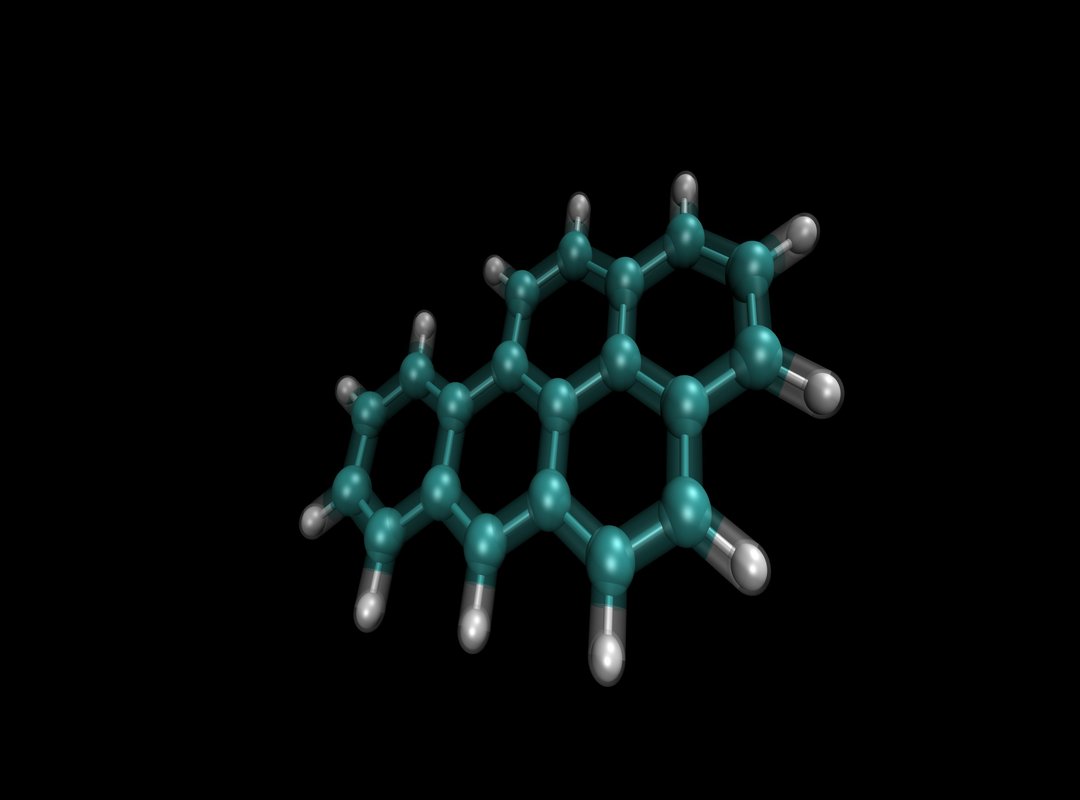
I’ve watched this shift happen in real time. What was lab talk five years ago is now in clinics and supplement stacks.
Cellular health isn’t just a buzzword. I’ve used molecules that support mitochondrial function (and) yes, my afternoon crash vanished. No magic.
Just better energy production at the cellular level.
Autophagy? That’s your body’s cleanup crew. Some synthetic molecules actually trigger it.
Not all do. Some just pretend.
Cognitive performance tools used to be caffeine and crossed fingers. Now we’ve got nootropics built for specific jobs (like) sharpening recall during deep work (not just jacking up heart rate).
Metabolic optimization sounds fancy. It’s not. It means your body switches between fuel sources without drama.
Certain molecules help with that. Others don’t. And some even backfire.
Which brings me to Dyxrozunon Mydecine Synthetic Molecule. It’s one of the few with human data on metabolic signaling. But.
And this matters. Its skin impact is still unclear. That’s why I always check the safety profile before recommending it.
How Harmful Is Dyxrozunon to Skin
I’ve seen people skip that step. Then wonder why their routine went sideways.
Not every molecule plays nice with barrier function.
Some are stable. Some degrade fast. Some interact unpredictably with other actives.
I stopped assuming “synthetic” meant “safe” after the third rash incident.
You’re not supposed to guess.
Test small. Track changes. And if you’re using it topically, read the safety data.
This isn’t theoretical anymore. It’s in your pillbox. Your serum.
Not the marketing sheet.
Your doctor’s notes.
And it’s moving faster than most people realize.
Safety Isn’t Optional (It’s) the First Step
I get it. You’re looking at something like Dyxrozunon Mydecine Synthetic Molecule and thinking: *Is this even legal? Is it tested?
Will it mess with my meds?*
Good. You should be asking that.
Most people skip straight to “Does it work?” before asking “Could it hurt me?”
That’s how bad outcomes happen.
Real science isn’t flashy. It’s slow. It’s peer-reviewed.
It’s published in journals (not) just on a landing page.
If a company won’t show you clinical data, walk away. Fast.
No exceptions.
Here’s what I check before touching anything new:
Published research? Not press releases. Not testimonials.
Actual papers.
Third-party testing? A Certificate of Analysis (COA) is non-negotiable. If they don’t post it publicly, assume it doesn’t exist.
Clear mechanism? If they can’t explain (simply) and concretely. How the molecule interacts with your body, they’re hiding something or they don’t know.
You don’t need a PhD to spot vagueness.
Ask your doctor. Seriously. Not as a formality.
Bring the COA. Bring the study links. Make it a conversation.
This isn’t about permission. It’s about partnership.
And if you want to see how one option handles all three checks head-on, look at Dyxrozunon.
You’re Done With the Guesswork
I’ve seen people waste months on unproven compounds.
You didn’t.
You now know exactly what Dyxrozunon Mydecine Synthetic Molecule is. Not hype, not theory, just facts.
No more squinting at jargon-filled PDFs.
No more trusting brochures over data.
You wanted clarity. You got it. You wanted confidence in the science.
You have it.
This isn’t another vague promise. It’s a defined molecule. Tested.
Documented. Real.
Still unsure where to start next? Good. That means you’re paying attention.
Go read the full pharmacology summary. It’s online. Free.
No gatekeeping.
Your time is too short for foggy answers.
Get the details now. Before someone else does.