What Gen Z Actually Cares About
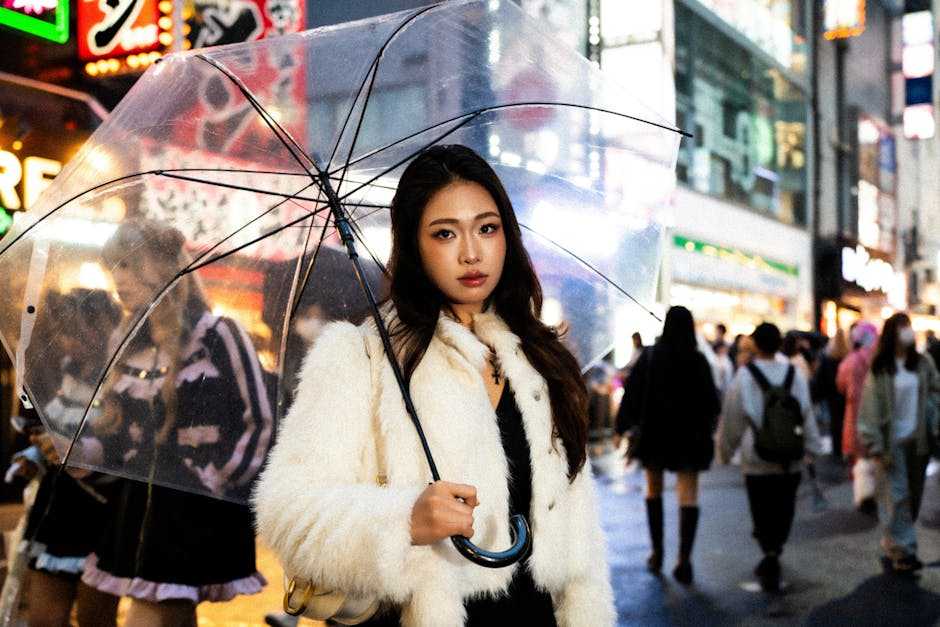
Gen Z doesn’t want polished they want real. In both fashion and beauty, authenticity is the currency. Heavily filtered content and manicured ads don’t stick the way they used to. This generation connects with unfiltered skin, outfits that tell stories, and influencers who show up as they are. Mistakes, stretch marks, and outfit repeats? All part of the vibe.
Sustainability isn’t just a buzzword anymore it’s baseline. Fast fashion and wasteful packaging are turn offs. Gen Z is keeping score and expecting transparency. Whether it’s upcycled threads or refillable makeup, the goal is simple: less damage, more intention. Brands that can’t show proof get left behind.
But at the core, it’s about people. Gen Z demands real representation across body types, genders, ethnicities, and identities. They want creators and campaigns that reflect the world they actually live in. Beauty and fashion are no longer about fitting in. They’re about standing out in your own truth. Self expression isn’t optional it’s the message.
Fashion Goes Fluid
Gen Z doesn’t care about your fashion rules. They’re ditching the old binaries men’s vs. women’s, formal vs. casual and wearing what feels right. Mood and message are leading the way, not labels or gender tags.
Thrift culture is thriving. It’s not just because it’s cheaper or more sustainable (though both matter). It’s more personal. Secondhand shopping lets you build a look no algorithm can predict. Add in brands that don’t make you pick a gender category, and the result is a wave of outfits that mix eras, aesthetics, and streetwear in ways that couldn’t exist ten years ago.
Big brands haven’t missed the memo. From runways to racks, they’re quietly broadening silhouettes, muting gendered marketing, and hiring gender fluid creatives. Some are doing it better than others, but the smart ones are listening and adjusting. The goal isn’t to follow Gen Z. It’s to get out of their way.
Want to see how fashion houses are rethinking everything from sizing to style codes? Check out this breakdown on gender fluid fashion trends.
Beauty Gets Real
Gen Z is redefining what beauty looks and feels like. The days of polished perfection and airbrushed ads are fading fast. In their place? A bold, stripped down ethos grounded in honesty, individuality, and social influence.
Skin First: The Rise of Minimalist Routines
Less is more when it comes to Gen Z skincare. Instead of 12 step beauty regimens, this generation is turning to simplified routines that prioritize:
Skin health over makeup coverage
Gentle, non toxic ingredients
Multi purpose products
Transparency in ingredient sourcing
These clean, functional approaches reflect a shift toward sustainable self care that values effectiveness over hype.
Raw is the New Radiant
Beauty filters and excessive retouching are falling out of favor. Gen Z wants authenticity even if that means showing acne, scars, or uneven skin tone. Social platforms now reward creators for showing their real selves:
Unfiltered selfies are gaining traction
Honest product reviews are more trusted than polished campaigns
“Imperfections” are becoming part of the aesthetic, not something to hide
This push for realness is changing how brands present their products and how consumers measure beauty.
The TikTok Effect: Microtrends and Creator Influence
Thanks to TikTok, beauty trends are born and buried at lightning speed. But while the platform fuels fast cycles, it also gives voice to relatable creators who influence millions.
Key observations:
Microtrends like “clean girl makeup” or “skin cycling” go viral overnight
Everyday users are now powerful tastemakers
Trends are more niche, community driven, and diverse in representation
Gen Z’s beauty influence is fast, fierce, and unapologetically real. Brands who want to stay relevant must learn to listen, adapt, and co create with this digitally native generation.
Buying Power & Social Pressure
Gen Z isn’t just shopping they’re shaping what hits the market in the first place. This generation’s blend of influence and internet fluency means brands are under pressure to listen, fast. Whether it’s clean beauty, biodegradable packaging, or skincare that doesn’t assume gender, Gen Z’s expectations are becoming industry standards. They’re done with performative gestures they want action they can track.
And when brands get it wrong? They don’t wait for a press release. Cancel culture and public call outs are part of the accountability toolset for this crowd. A badly timed post, an insensitive statement, or a lack of transparency can leave companies scrambling. But it’s not all negative heat this shift is pushing brands to move beyond the surface and build with meaning.
That’s where smaller players are grabbing ground. Purpose driven storytelling is proving to be a powerful lever. Niche beauty lines, ethically produced collections, and founders who share real world values are gaining traction and trust. Gen Z is less interested in size and more in alignment. Authenticity isn’t a bonus anymore; it’s the baseline.
Where It’s All Going
The future of fashion and beauty isn’t about chasing the next viral moment it’s about evolving with deeper purpose. Gen Z isn’t just asking for more inclusive sizing, they’re expecting it. Brands that ignore this do so at their own risk. More labels are finally expanding size ranges and launching product lines that reflect real bodies and identities. That includes gender neutral collections, body positive fits, and diverse models front and center.
Trend cycles are moving quicker, yes but beneath the surface, the shifts are lasting. It’s not just about what’s cool this week. It’s about what signals belonging, value, and identity. Gen Z wants fashion that aligns with the world they’re trying to build, not just the one they’re living in. The brands that get this who lead with representation and invite community are thriving. The ones still churning out the same old ideas? They’re fading into irrelevance.
More on how brands are adapting can be found in this piece on gender fluid fashion trends.