
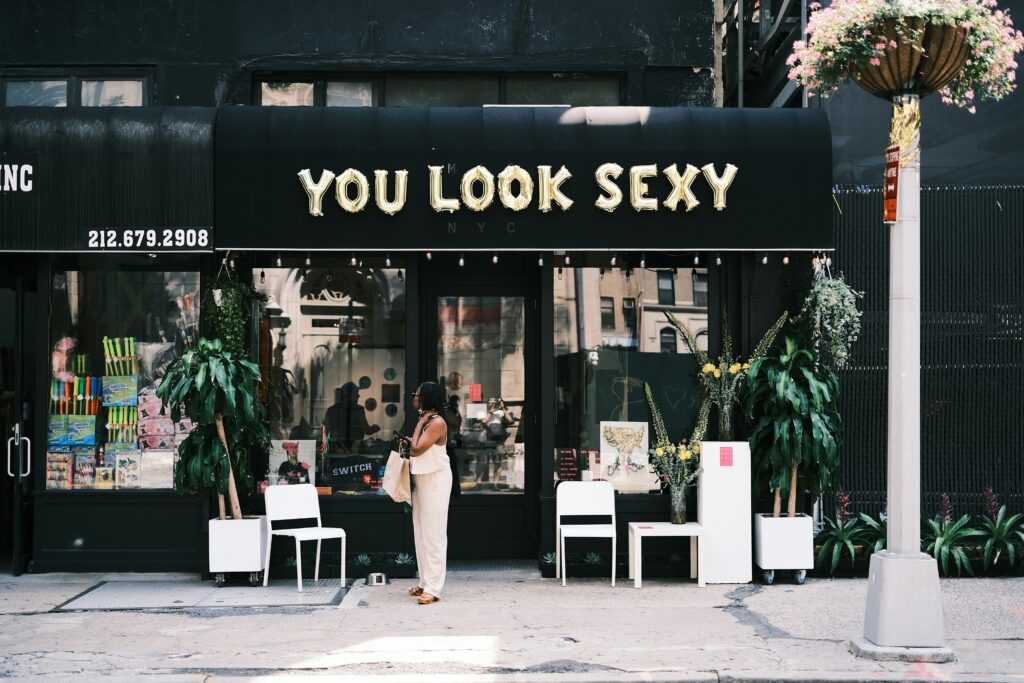
What Makes a Brand “Indie” Now
Indie beauty isn’t just about size it’s about ethos. These are small scale, founder led brands built around a core mission. Whether it’s inclusive formulations, ethical sourcing, or sustainability first packaging, indie lines typically start as passion projects, not revenue machines. There’s a face behind the name, and usually a story worth telling.
This isn’t the same as clean beauty. Clean is often about ingredients and free from lists. Indie goes further it’s about values and intent. And unlike direct to consumer only models, indie brands can thrive across channels: pop up shops, niche retailers, even curated online marketplaces. Flexibility is part of what keeps them relevant.
Younger consumers are tuned in. They want authenticity more than polish. They research founders, scan ingredient lists, and follow brand stories like mini docu series. For Gen Z especially, buying beauty is more than a transaction it’s a vote. Indie brands win when they stand for something real, and show it without trying too hard.
Shaking Up an Oversaturated Market
Indie beauty brands aren’t just reacting to trends they’re rewriting the rules. While the big players stick to copy paste formulas and flashy claims, indie founders are digging deeper. They’re blending high performance ingredients with sustainable sourcing, crafting small batch formulas that put quality ahead of mass appeal. Ethics aren’t just slapped on a label they’re baked into the entire product lifecycle, from local farmers to recyclable packaging.
That level of transparency? It’s not about marketing polish. It’s a signal a real commitment to values buyers can trace. Indie consumers want receipts, not just mission statements. Whether it’s ingredient sourcing, labor practices, or carbon footprints, the standout brands give you the full picture up front.
And when it comes to branding, indie isn’t interested in playing safe. Loud colors, offbeat names, even unfiltered founder stories it all works to cut through beauty’s beige noise. These brands are personal, scrappy, and proud of it. Their storytelling makes big beauty feel cold in comparison.
Want more? Explore the full rise of indie beauty.
Consumers Driving the Disruption
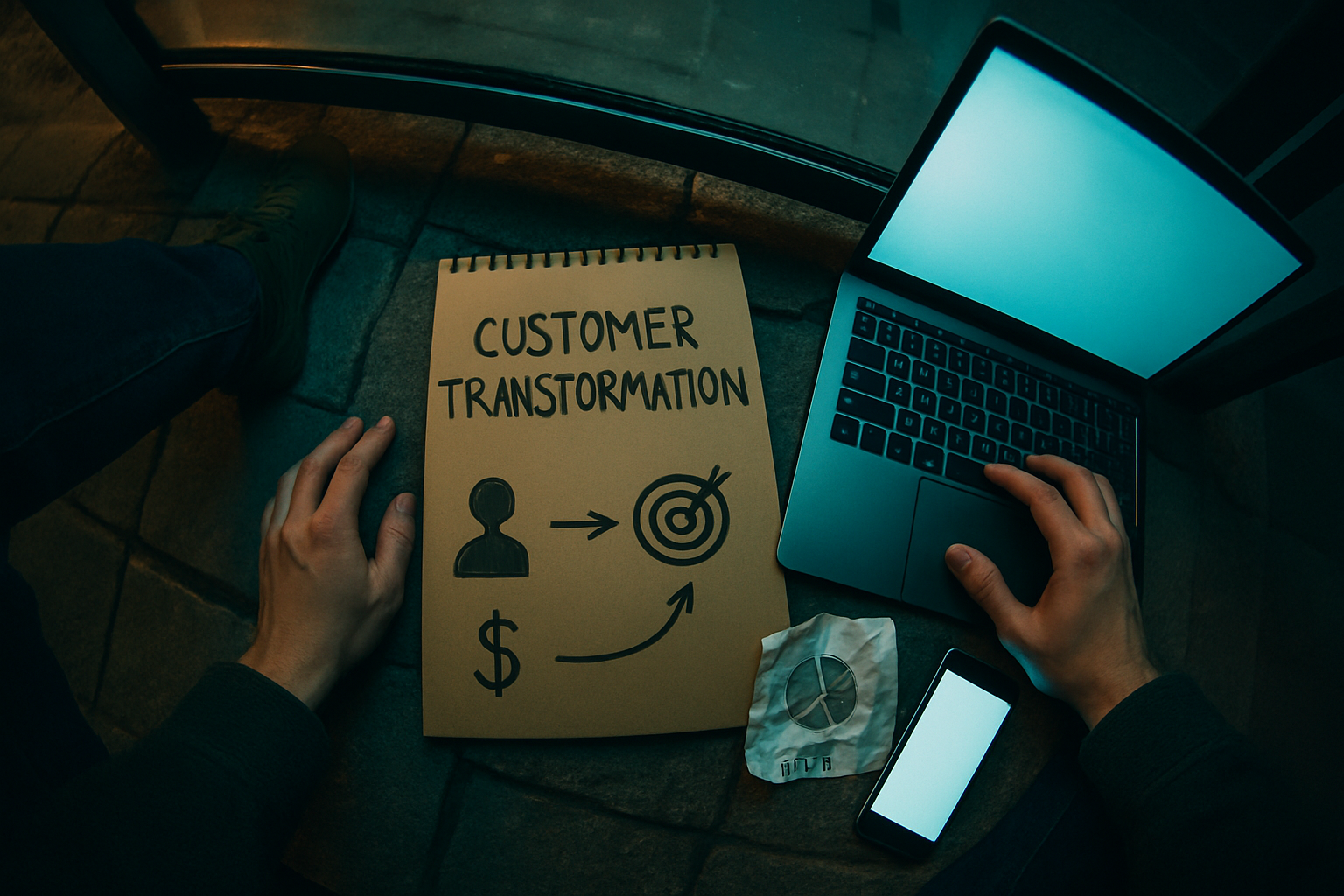
Today’s skincare customers aren’t just buying a product they’re buying what that product stands for. They want to see brands that look like them, speak like them, and care about the same things. Inclusivity isn’t a marketing bullet point anymore. It’s the baseline. From shade ranges to skin conditions, shoppers are expecting brands to show up for the full spectrum of real people.
Another shift: the rise of skin first thinking. People are focusing less on flashy product claims and more on how their skin actually feels and functions. Ingredient transparency, easy to understand routines, and well researched formulas are winning over hype. It’s not about glamor. It’s about results, comfort, and trust.
This push for honesty and connection is happening publicly and directly on social media. There’s no buffer anymore. Buyers and brands talk in comments, DMs, Lives. And it’s shaping the products, content, and even launches. Real time dialogue isn’t optional it’s expected.
And while celebrities still grab headlines, the real influence is coming from micro creators. These aren’t billboard faces. They’re the ones with cracked screens, day jobs, and loyal followers. They test, explain, recommend and their audience listens. Indie brands are smart to keep them close. They don’t sell dreams; they sell reality.
Distribution is Getting Smarter
For indie beauty brands, the traditional gatekeepers department stores, massive ad spends, buyer approvals are no longer the only way in. The rules have cracked open. We’re seeing brands launch through pop up events in coffee shops, partner with niche creators for limited drops, or land shelf space in tightly curated concept stores. That shift from mass to micro isn’t just cost effective it builds credibility and direct connection.
Localized, interactive experiences are where these brands punch above their weight. Shoppers can talk to the founders, test products in person, or walk away with a memorable story something that doesn’t happen in sterile retail aisles. This groundswell of grassroots retail gets people talking and buying for the right reasons: trust and experience, not just convenience.
At the same time, indie beauty doesn’t stay small by choice community led global growth is real. TikTok and Instagram Reels have become distribution channels in themselves, giving a Korean botanical line or Afro fusion skincare label in London the power to build followings in Berlin, Toronto, and São Paulo overnight. What’s different in 2024 is clarity: you don’t need to be everywhere, you just need the right people to care deeply whether they find you at a local pop up or swipe up from across the world.
Looking Ahead for Indie Skincare
The indie skincare space isn’t just about pretty packaging or quirky names anymore. It’s about survival and survival increasingly hinges on sustainability. Brands that aren’t rethinking their supply chains, ingredients, and packaging with real environmental impact in mind are going to get left behind. Today’s buyers want accountability, not greenwashing.
Expect more crossover between beauty and wellness, too. The line’s already blurry. Skincare isn’t just about surface level fixes anymore; it’s tied to mental health, sleep, diet, and stress. Smart indie brands are positioning themselves at that intersection offering serums alongside supplements, or rituals instead of routines.
And as some of these once tiny players scale up, the indie vs. mainstream contrast gets murkier. What happens when a brand born in a studio apartment partners with a major retailer? Some adapt and stay true to their core. Others trade in their soul for shelf space. The real winners will be the ones who grow without diluting why people trusted them to begin with.
Want to know who’s still disrupting and how they’re pulling it off? Here’s how indie beauty continues to challenge giants.