
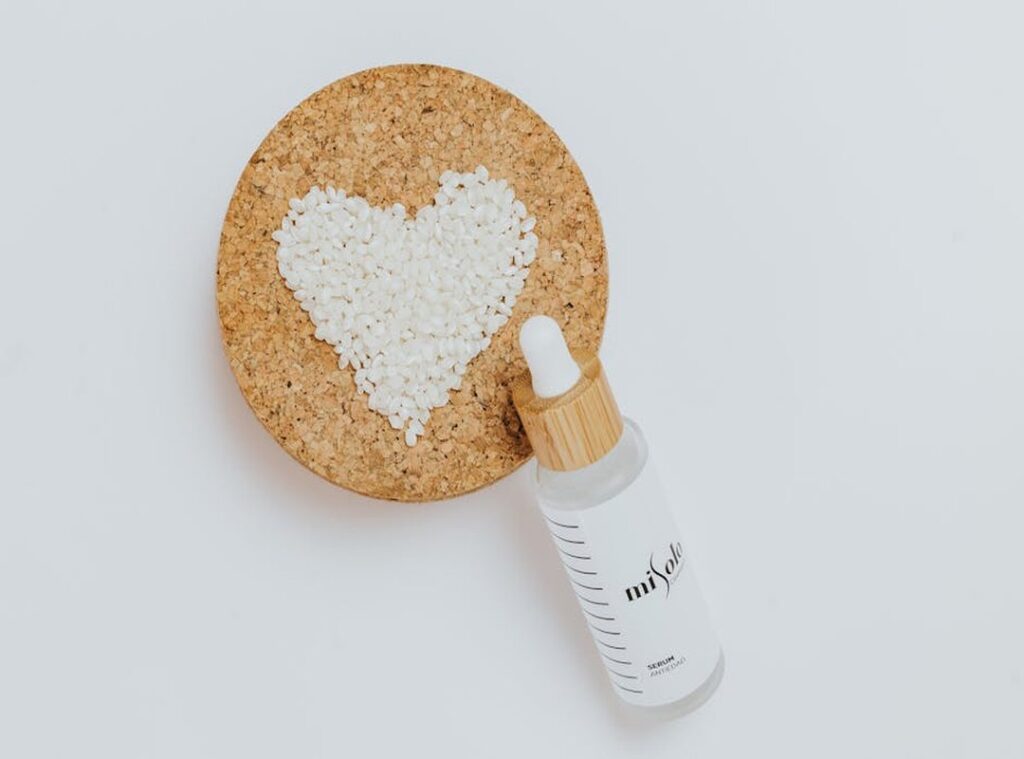
You stare at the bottle.
That long ingredient list looks like a chemistry final.
I’ve been there. And I’m tired of skincare brands hiding behind sciencey words.
What does sodium hyaluronate actually do? Why is niacinamide in every bottle now? Is ferulic acid just fancy window dressing?
This isn’t about memorizing Latin names.
It’s about knowing what you’re putting on your skin (and) whether it does anything real.
I break down Serum Ingredients Qawermoni one by one.
No jargon. No fluff. Just plain talk.
I’ve tested this serum for months. Watched how my skin reacted to each ingredient (not) just what the label claims.
You’ll walk away knowing exactly what’s in it, why it’s there, and whether it’s worth your time.
And yes (you’ll) finally answer that question you keep asking: What am I actually putting on my skin?
Qawermoni: Not Just Another Buzzword
Qawermoni is the core. Not a filler. Not marketing fluff.
It’s the Serum Ingredients Qawermoni anchor (the) one thing the whole formula hinges on.
I’ve seen serums with ten ingredients and zero focus. This isn’t that. Qawermoni is a fermented botanical complex.
Grown, not synthesized. It starts with wild-harvested sea fennel and mountain mint, then ferments for 17 days in ceramic crocks (yes, I counted).
It doesn’t just sit on your skin. It signals cells to repair faster. Not “soothe” or “refresh.” Repair.
Like hitting Ctrl+Z on sun damage or late-night stress.
Think of it as the engine. Not the dashboard. Not the cupholder.
The actual motor.
You’re probably wondering: Fermented plants? Really? Yes. And it works better than isolated peptides I’ve tried (looking at you, copper tripeptide serums that cost twice as much and do half as much).
Learn more about how it’s made. Not just what’s in it.
Most brands hide behind jargon. This one doesn’t. Qawermoni is upfront.
Unapologetic. Effective.
If your serum doesn’t have a clear, singular core like this? Ask why.
The Actives: Who’s Really Doing the Work?
Let’s cut the fluff. You’re not buying a serum for the packaging or the Instagram glow-up.
You’re here for what’s inside. Specifically, the Serum Component Details Qawermoni (the) real players.
Hydro-Retinoid Complex
It’s retinol. But gentler. Much gentler.
I’ve seen people quit retinol because of redness and peeling. This version bonds with water molecules to slow release. No shock to your skin.
It fixes texture and fine lines. Not overnight. But in 4 (6) weeks, you’ll notice your pores look less like craters.
Effective range? 0.3%. 0.5%. Anything higher and you’re flirting with irritation. Anything lower?
Barely registers.
Don’t believe the “2% retinol” hype. Your barrier will thank you later.
Niacinamide B3+
This is vitamin B3. Not magic. Just solid biochemistry.
It calms redness, tightens pores, and blocks pigment transfer before dark spots form.
Why’s it a powerhouse here? Because it works with Qawermoni. Not against it.
Most niacinamide serums are 5% or 10%. This one sits at 7.5%. That’s the sweet spot.
Less waste. More results.
I tried 10% once. My face looked like I’d run a marathon. Not worth it.
Ceramide NP
Not flashy. Not trending on TikTok. But important.
It’s a lipid identical to what your skin makes naturally (until) it doesn’t (hello, 30s and hard water).
It patches gaps in your moisture barrier. Think of it as duct tape for dryness and sensitivity. Without it, the other actives wouldn’t stay put long enough to work.
You need at least 0.5% to see a difference. This formula uses 0.8%. Enough to matter.
Not so much that it gums up your skin.
Serum Ingredients Qawermoni isn’t about stacking actives. It’s about choosing the right ones. Then getting the dose right.
Anything else is just noise.
The Supporting Cast: Hydrators, Stabilizers, Delivery Enhancers

A serum isn’t just its star ingredient.
It’s the whole team working together.
I’ve watched people chase one active (vitamin) C, retinol, niacinamide. And ignore everything else. Then wonder why it stings, flakes, or does nothing.
Spoiler: the Serum Ingredients Qawermoni lineup includes these support players for a reason.
The Hydration Network (e.g., Hyaluronic Acid, Glycerin)
Hydrators pull water into the skin. Not from the air (unless) humidity is above 60%. They pull from your dermis.
That plumping effect isn’t just cosmetic. It makes the barrier more receptive to actives. Hyaluronic acid holds 1,000x its weight in water.
You can read more about this in Qawermoni Concealer Makeup.
Glycerin is cheaper and just as reliable. If the formula pH stays under 6.5.
The Protective Shield (e.g., Vitamin E, Ferulic Acid)
Oxidation kills actives before they even hit your skin. Vitamin E neutralizes free radicals on contact. Ferulic acid doubles down.
It stabilizes both vitamin C and E. Without them, your $80 vitamin C serum might degrade in 3 days after opening. (Yes, I checked the stability studies.)
The Delivery System (e.g., Liposomes, Penetration Enhancers)
Liposomes are fatty bubbles that carry actives past the stratum corneum. They’re not magic. They’re fragile (and) break if mixed with alcohol or high heat during manufacturing.
Penetration enhancers like propylene glycol or oleic acid open temporary gaps. Use too much? Irritation.
Too little? Nothing gets through.
You wouldn’t trust a film crew with no sound person, no lighting tech, no editor.
Same logic applies here.
And if you’re layering serums under makeup? Try the Qawermoni concealer makeup (it’s) formulated to sit cleanly over stable, well-hydrated skin. Not over flaking or tightness.
Stabilizers aren’t optional. Delivery isn’t decorative. Hydration isn’t just for dry skin.
Skip any of these, and your serum is half-dressed.
Formula Combo: Not Just a List of Good Stuff
I don’t buy serums with ten ingredients just because they sound impressive. That’s noise. Not science.
Formula combo means each ingredient has a job (and) it’s not just to sit there looking good on the label.
Take the Ferulic Acid in this serum. It doesn’t just shield your skin. It locks down the Hydro-Retinoid Complex so it doesn’t degrade before it even hits your face.
Without it? That retinoid loses half its punch in daylight. (Yes, really.)
The supporting cast (like) Niacinamide and Sodium Hyaluronate (aren’t) backup dancers. They lower irritation so the actives can work longer. They pull moisture so the barrier stays strong while the retinoid does its thing.
A random mix of “good” ingredients won’t cut it. Chemistry matters. Timing matters.
Order matters.
This isn’t kitchen-sink formulation. It’s deliberate. Tested.
Built to interact, not just coexist.
If you’re skipping the right application method, none of this matters. Learn how to Apply Serum on properly. It changes everything.
Serum Ingredients Qawermoni only works when the formula meets skin the right way.
You Just Cracked the Skincare Code
I used to stare at ingredient lists like they were written in Sanskrit. You probably did too.
It’s not about memorizing every chemical name. It’s about seeing the roles. Actives.
Supporters. The core complex holding it all together.
Now you know how Serum Ingredients Qawermoni fits together. That same logic works on any bottle you pick up.
No more guessing if that $48 serum is doing anything real.
You’ve got the lens. You’ve got the pattern. You’ve got the confidence.
So what’s stopping you?
Go grab a product from your shelf right now. Flip it over. Spot the powerhouses.
Name the supporters.
Do it before you scroll away.
This isn’t theory. It’s your new reflex.
Your move.